
Case Page Feed

The Damage Assessment Remediation and Restoration Program
Thursday, February 4, 2016 - 14:48
Thursday, March 5, 2026 - 08:07

Hazardous Waste Site | Glenwood Landing, NY | 1939 to Present
The Applied Environmental Services Superfund Site is located on Hempstead Harbor in Long Island Sound. Starting in 1939 the site was used at various times to store petroleum products, chemical solvents, and hazardous waste. Improper handling and storage of waste oil, heavy metals, solvents, acids, paints, and other toxic substances contaminated groundwater, surface water, soils, sediments, and air.
The Damage Assessment Remediation and Restoration Program
Friday, January 22, 2016 - 16:56
Monday, August 24, 2020 - 17:10

Hazardous Waste Site | Calcasieu Parish, LA | 1920s to Present
What Happened
The banks of Bayou d’Inde have been industrialized since oil and natural gas deposits were discovered nearby in the 1920s. Chemical manufacturing and petroleum refining facilities have released toxins—including PCBspolychlorinated biphenyls; a class of chemicals previously used in manufacturing that remain in the environment for many decades, accumulate in living creatures, and pose health hazards to humans, wildlife, and fish., dioxinsA group of highly toxic chemicals that are the byproduct of some industrial processes and incineration of plastics; they accumulate in living creatures and are known to cause cancer in humans., lead, and mercury—into the bayou and surrounding areas for decades.
The Damage Assessment Remediation and Restoration Program
Wednesday, January 20, 2016 - 15:21
Friday, August 28, 2026 - 08:07

Hazardous Waste Release |New Bedford Harbor, MA| 1940s – 1970s
New Bedford Harbor is a major commercial fishing port and industrial center in southeastern Massachusetts on Buzzards Bay. From the 1940s to the 1970s, manufacturers discharged wastes containing PCBs and toxic metals into New Bedford Harbor. This resulted in high levels of contamination throughout the waters, sediments, plants, and wildlife of the Harbor and parts of Buzzards Bay.
The Damage Assessment Remediation and Restoration Program
Wednesday, December 16, 2015 - 07:16
Monday, August 24, 2020 - 12:50

Hazardous Waste Site | Everett, MA | 1890s to Present
What Happened?
The Damage Assessment Remediation and Restoration Program
Tuesday, December 8, 2015 - 14:54
Monday, August 24, 2020 - 12:53

Hazardous Waste Site | Duluth, Minnesota | 1890s – Present
What Happened?
As result of historical industrial operations along the St. Louis River numerous hazardous chemicals were released into the environment. The St. Louis River Superfund site was listed on the National Priorities List in 1983.
The Damage Assessment Remediation and Restoration Program
Wednesday, December 2, 2015 - 16:57
Thursday, August 20, 2020 - 17:20

Hazardous Waste Site | South Plainfield, NJ | 1930s to Present
Cornell-Dubilier Electronics, Inc. manufactured electronic components on this 26-acre property from 1936 to 1962. PCBs, metals, and other hazardous substances were released into the surrounding environment, including a stream on the property which flows into Bound Brook, a tributary of the Lower Raritan River.
The Damage Assessment Remediation and Restoration Program
Wednesday, December 2, 2015 - 14:34
Tuesday, November 4, 2025 - 12:41
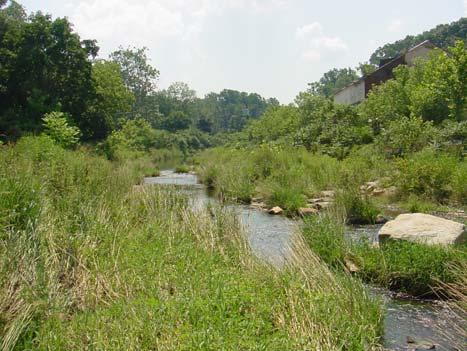
Hazardous Waste Site | Elkton, MD | 1961 to Present
Beginning in 1961, a solvent recycling facility here contaminated soils and groundwater with VOCs. These substances were released into the adjacent Little Elk Creek, which flows into the Elk River, a tributary to the Chesapeake Bay.
The Damage Assessment Remediation and Restoration Program
Tuesday, November 17, 2015 - 17:05
Monday, August 24, 2020 - 13:19
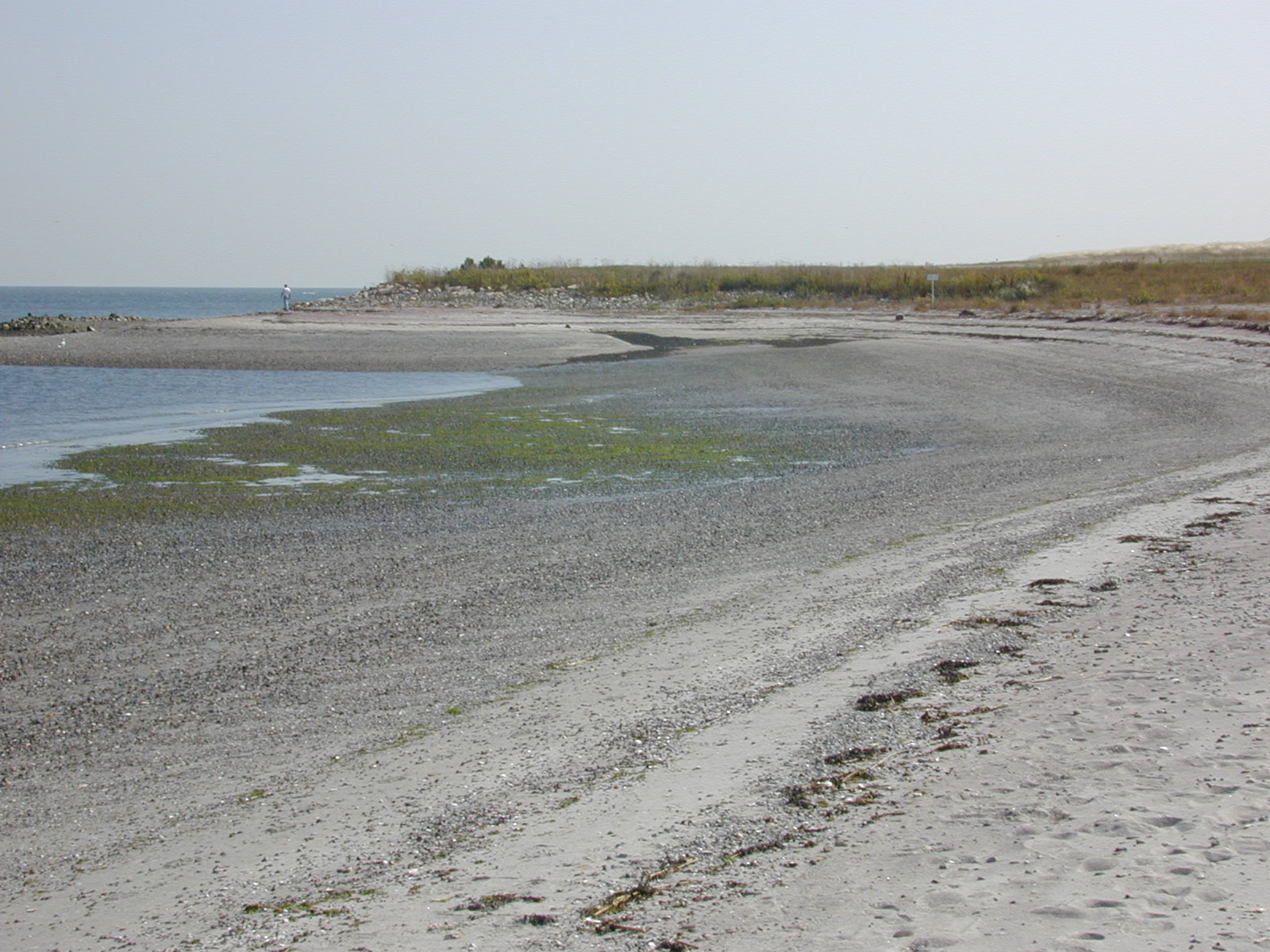
Hazardous Waste Site | Stratford, CT | 1920s to Present
What Happened?
The Remington Gun Club operated a skeet shooting range at Lordship Point beginning in the 1920s. The peninsula is located at the mouth of the Housatonic River estuary, where it empties into Long Island Sound. An estimated 4.8 million pounds of lead gun shot from the firing range contaminated on-site uplands, salt marshes, and shallow water habitats adjacent to the site.
The Damage Assessment Remediation and Restoration Program
Friday, November 13, 2015 - 14:05
Monday, May 10, 2021 - 11:57

Hazardous Waste Site | South Kingstown, RI | 1960s to Present
This abandoned quarry adjacent to the Saugatucket River was used for the disposal of household and industrial wastes from 1967 until 1983. The site included 27 acres of solid waste, 15 acres of sewage sludge, and an 11-acre bulky waste disposal area. Elevated levels of toxic metals leached from the landfill via groundwater to Mitchell Brook, the Saugatucket River, and Saugatucket Pond.
The Damage Assessment Remediation and Restoration Program
Friday, November 13, 2015 - 12:13
Monday, August 24, 2020 - 14:22
Pages
