Hazardous Waste Site | Sheboygan, WI | 1870s to Present
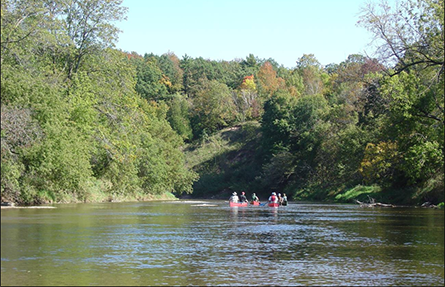
Beginning as early as the 1870s, various industrial facilities released PCBs, heavy metals, and PAHs to the Sheboygan River and the surrounding area. EPA designated the lower 14 miles of the Sheboygan River a Superfund site in 1986.
The Damage Assessment Remediation and Restoration Program
Tuesday, March 31, 2015 - 15:01
Thursday, October 21, 2021 - 14:39
Hazardous Waste Site | Tacoma, WA | 1920s to Present
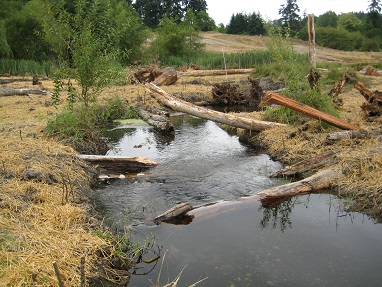
In the early 1900s, industrialization in Commencement Bay led to the filling of a vast area of tideflats, as well of channelization of the meandering streams and rivers that flowed into the bay. Beginning in the 1920s, the resulting eight channelized waterways received releases of hazardous substances from various industries, including shipbuilding, oil refining, and chemical manufacturing plants.
The Damage Assessment Remediation and Restoration Program
Tuesday, March 31, 2015 - 13:38
Thursday, March 6, 2025 - 06:46
On June 10, 1999, a rupture in the Olympic Pipeline discharged approximately 236,000 gallons of gasoline into a tributary of Whatcom Creek. Fumes from the gasoline ignited as it moved down Whatcom Creek, through a city park and residential neighborhoods.
The Damage Assessment Remediation and Restoration Program
Monday, March 30, 2015 - 17:18
Tuesday, September 5, 2023 - 11:53
Ship Grounding | Kalaeloa Harbor, Hawaii | February 2010
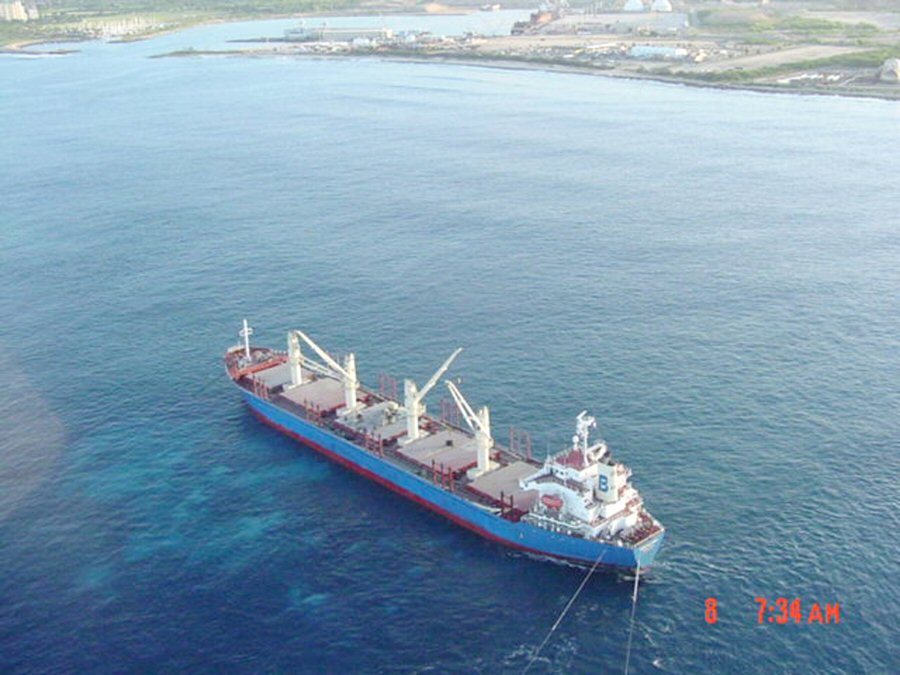
On February 5, 2010, the cargo vessel M/V Vogetrader ran aground near Barber’s Point as it was entering Kalaeloa Harbor. The grounding and associated response activities caused substantial injuries to coral reef habitat, harming more than 100,000 coral colonies.
The Damage Assessment Remediation and Restoration Program
Friday, March 27, 2015 - 15:42
Tuesday, May 13, 2025 - 07:14
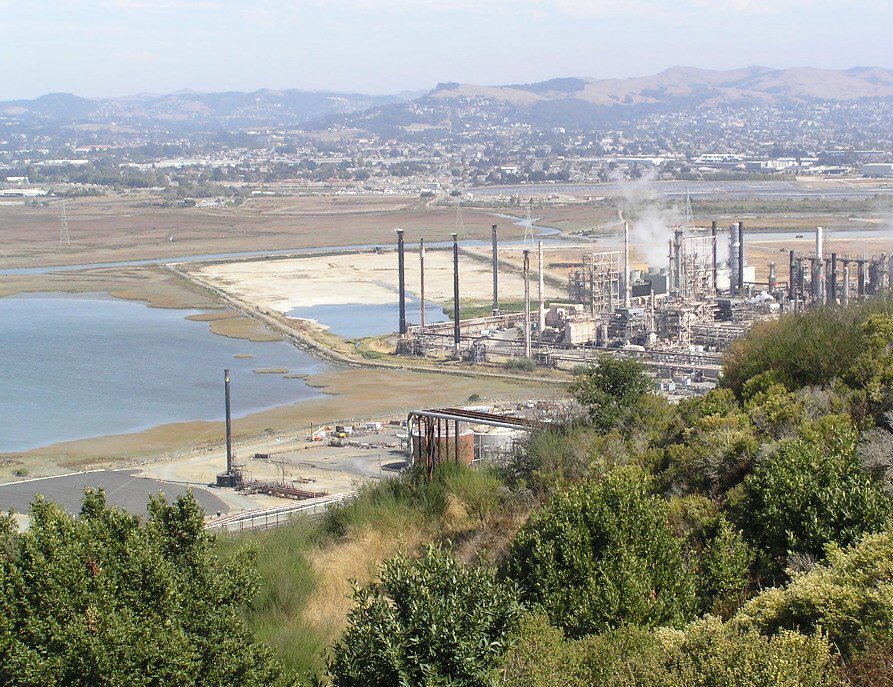
Hazardous Waste Site | Richmond, California | 1902 to 1987
What Happened?
The Damage Assessment Remediation and Restoration Program
Friday, March 27, 2015 - 14:50
Tuesday, June 27, 2023 - 08:07
The bulk carrier M/V Cape Flattery grounded in coral reef habitat off Barbers Point (Kalaeloa), Oahu on February 2, 2005. Actions to free the ship and prevent an oil spill lasted for nine days and caused widespread injury to coral reef habitats and reef biota.
The Damage Assessment Remediation and Restoration Program
Friday, March 27, 2015 - 14:28
Tuesday, May 13, 2025 - 07:14
Hazardous Waste Site | Torrance, California | 1940s to 1970s
From the late 1940s to the early 1970s, millions of pounds of DDT and PCBs were discharged into ocean waters off the southern California coast.
The Damage Assessment Remediation and Restoration Program
Friday, March 27, 2015 - 14:06
Tuesday, December 3, 2024 - 08:17
Since the early 1900s, numerous facilities have released oil, PCBs polychlorinated biphenyls; a class of chemicals previously used in manufacturing that remain in the environment for many decades, accumulate in living creatures, and pose health hazards to humans, wildlife, and fish., heavy metals, pesticides, and other hazardous substances into Portland Harbor.
The Damage Assessment Remediation and Restoration Program
Monday, March 23, 2015 - 16:11
Thursday, March 7, 2024 - 14:23
On July 2, 2005, the M/V Casitas ran aground in the Northwestern Hawaiian Islands, in what is now the PapahÄ naumokuÄ kea Marine National Monument. Emergency crews installed temporary patches before towing the Casitas to an EPA-approved site northwest of the atoll on August 4. The vessel was then sunk in approximately 7,200 feet of water.
The Damage Assessment Remediation and Restoration Program
Thursday, March 19, 2015 - 15:34
Tuesday, May 13, 2025 - 07:14
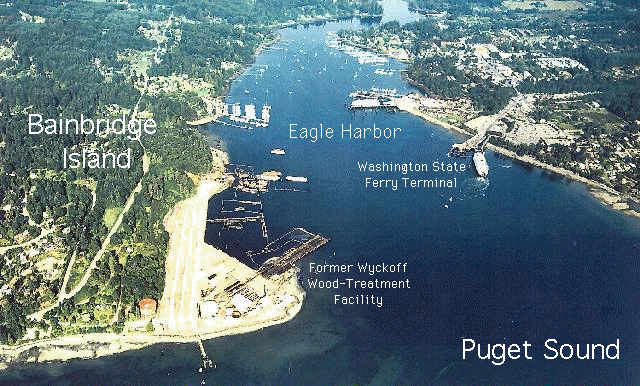
Hazardous Waste Site | Bainbridge Island, WA | Early 1900s to Present
Hazardous substances were released from the Wyckoff Company wood treatment facility and a shipyard beginning early in the 20th century. Released contaminants included PAHs, mercury, and heavy metals.
The Damage Assessment Remediation and Restoration Program
Monday, March 16, 2015 - 12:47
Tuesday, September 5, 2023 - 11:53