Case Page Feed

The Damage Assessment Remediation and Restoration Program
Thursday, May 12, 2016 - 05:50
Monday, August 24, 2020 - 11:50
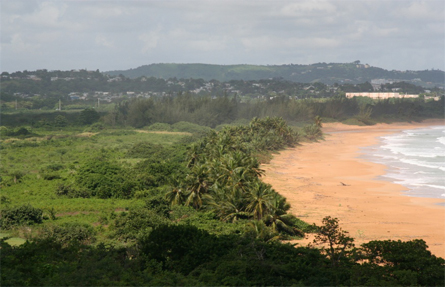
Oil Spill | San Juan, PR | January 7, 1994
What Happened?
On January 7, 1994, the T/B Morris J. Berman—a 302-foot-long barge loaded with 1.5 million gallons of fuel oil—broke away from its tow line and drifted around near San Juan, Puerto Rico. The barge grounded on a nearby coral reef, rupturing seven fuel holding tanks and released approximately 800,000 gallons of fuel oil into nearshore waters.
The Damage Assessment Remediation and Restoration Program
Thursday, April 21, 2016 - 04:35
Monday, August 17, 2020 - 17:15

Hazardous Waste Site | Texas City, Texas | 1941 – 1991
The Tex Tin Corporation and other responsible parties operated a tin smelting plant at this site from 1941 until 1991. Industrial activities included tin ore processing, acid recovery operations, heavy metals recovery operations, copper washing operations using ammonia, and land filling with radioactive materials.
The Damage Assessment Remediation and Restoration Program
Tuesday, April 19, 2016 - 07:14
Monday, November 1, 2021 - 14:32

Hazardous Waste Site | Stratford, CT | 1919 to Present
Beginning in 1919, Raymark Industries, Inc. manufactured automotive parts at a 34-acre property along the Housatonic River estuary. Raymark initially disposed of manufacturing wastes on-site, but waste materials were also released to Ferry Creek via a culvert from on-site waste lagoons. Lagoon waste sludge was also used as fill on multiple residential, commercial, and municipal properties in Stratford, and in several wetland sites draining to the Housatonic River.
The Damage Assessment Remediation and Restoration Program
Thursday, April 7, 2016 - 07:59
Monday, August 24, 2020 - 12:41

Oil Spill | Block Island Sound, RI | January 1996
What Happened?
On January 19, 1996, the tank barge, North Cape, and the tugboat, Scandia, grounded off Moonstone Beach in southwestern Rhode Island, spilling an estimated 828,000 gallons of home heating oil. This spill was the worst in Rhode Island history, with oil spreading throughout a broad area of Block Island Sound and beyond, including shoreline of the Trustom Pond National Wildlife Refuge (NWR).
The Damage Assessment Remediation and Restoration Program
Thursday, March 31, 2016 - 11:35
Tuesday, March 14, 2023 - 07:58
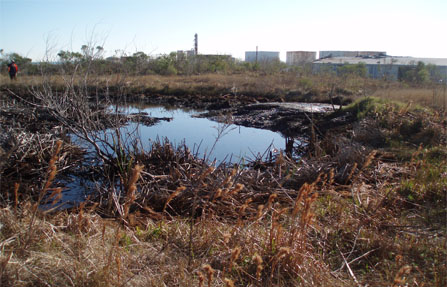
Hazardous Waste Site | Texas City, Texas | 1964 – 1997
From 1964 to 1997, on the shores of Swan Lake and Galveston Bay, the Malone Services Company operated a reclamation, storage and disposal facility for waste oils, chemicals, and hazardous wastes. During its operation, hundreds of businesses sent more than 480 million gallons of organic and inorganic waste to the facility. Wastes were stored in two earthen, unlined pits which released contaminants to the groundwater within the site, and runoff into surface waters.
The Damage Assessment Remediation and Restoration Program
Thursday, March 17, 2016 - 05:29
Thursday, March 3, 2022 - 10:37
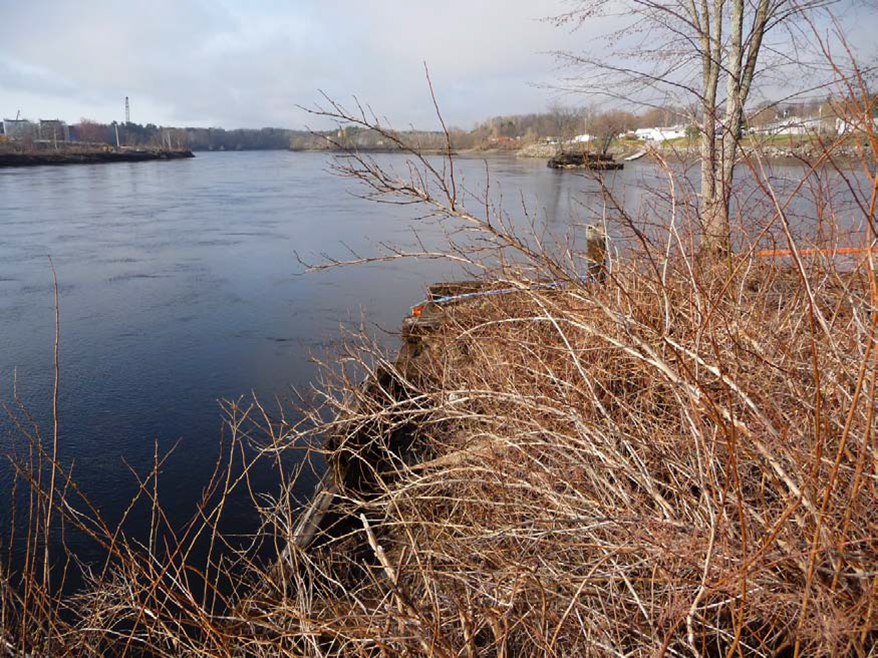
Oil Spill | Hampden, Maine |
What Happened?
The Damage Assessment Remediation and Restoration Program
Thursday, March 3, 2016 - 11:36
Tuesday, August 25, 2020 - 15:38
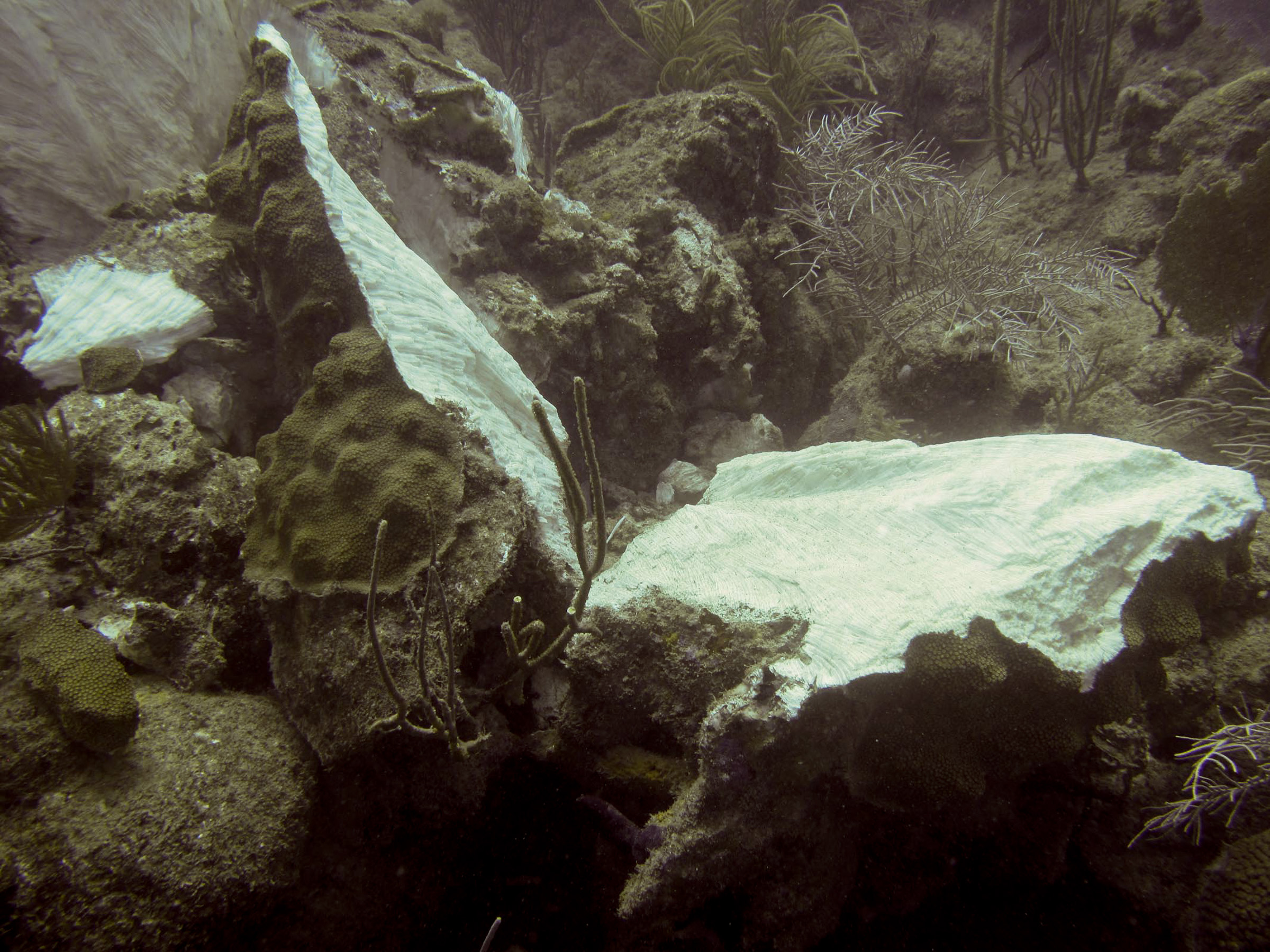
Ship Grounding | Guayanilla, Puerto Rico | December 2009
What Happened?
On December 15, 2009, the liquid natural gas carrier Matthew grounded on coral reef habitat off the south coast of Puerto Rico near Guayanilla. The vessel was eventually freed from the reef with the assistance of local tug boats.
The Damage Assessment Remediation and Restoration Program
Thursday, March 3, 2016 - 06:33
Monday, August 15, 2022 - 15:17

Ship Grounding | Yabucoa, Puerto Rico | October 2009
What Happened?
On October 27, 2009, the T/V Port Stewart, a tank vessel carrying seven million gallons of oil, struck coral reef habitat off the southeast shore of Puerto Rico near the entrance to Yabucoa Channel. The vessel was eventually freed with the assistance of local tug boats. Extraction activities affected another section of reef approximately 600 feet to the south.
The Damage Assessment Remediation and Restoration Program
Tuesday, March 1, 2016 - 05:38
Monday, August 17, 2020 - 17:28

Hazardous Waste Site | Ashland, MA | 1917 – 1978
What Happened?
Between 1917 and 1978, Nyanza, Inc. and other companies manufactured textile dyes and other products at this site. Their operations generated large volumes of industrial waste and they contaminated the soil, groundwater and wetlands of the Sudbury River. Mercury, chromium, arsenic, lead and organic compounds were released and reached as far downstream as the Concord River.
The Damage Assessment Remediation and Restoration Program
Thursday, February 25, 2016 - 14:40
Thursday, April 2, 2026 - 06:30
Pages
